 Here is a conversation I have had dozens of times over the past 37 years. A nonprofit executive director calls me, frustrated. They hired a grant writer six months ago. The grants are coming in, but the strategy is missing. There is no pipeline. No funder stewardship. No plan for what happens when a major grant ends. The grant writer did exactly what they were hired to do. The problem is that writing grants is only one piece of what fund development actually requires.
This is the difference between a grant writer and a Chief Development Officer. And it is the difference that determines whether your organization raises money reactively or builds a funding base that sustains your mission for years.
What a Grant Writer Does
A grant writer researches funders, writes proposals, and submits applications. They are skilled at translating your programs into funder-ready language. For organizations that already have a clear development strategy, a grant writer is exactly the right hire. A grant writer’s strength is carrying out a strategy; someone still needs to build it.
What a Fractional CDO Does
A fractional CDO brings everything a full-time Chief Development Officer would bring, without the full-time salary. That means strategic planning, funder relationship management, donor cultivation, pipeline development, appeal strategy, board engagement, and organizational capacity building alongside the grant writing.
The distinction matters most when an organization is growing, navigating a leadership transition, or facing a funding gap. Those are the moments when writing more grants is not the answer. Thinking more strategically is.
The Real Cost of Under-Investment in Development
When fund development infrastructure gets the investment it deserves, nonprofits are better positioned to build steady, reliable revenue. The organizations that build sustainable funding bases treat development as a strategic function, not a series of one-time fundraisers. They build funder relationships between grant cycles, know their renewal deadlines six months in advance, and steward donors so they give again at higher levels and more.
At RayZo, we define this work through the Elements of a Fund Development Plan: prospecting and proposal writing, corporate relations, major donors, individual donors and annual giving, longer-term sustainability goals such as planned giving and endowments, fundraising events, and the marketing and technology that support every one of these efforts. From storytelling and donor communications to automations, email, texting, and donor management software, each element works together to move supporters from first gift to long-term partner. Built through assessment, planning, and hands-on training, these are the categories every Chief Development Officer manages, and they do not require a full-time hire. They require the right partner.
A Partner, Not a Replacement
A fractional CDO is one of the smartest investments a nonprofit can make. Rather than replacing your executive director or grant writer, a seasoned CDO strengthens them, working alongside your existing team, building systems your staff can maintain, and training them so the capacity stays with your organization long after the engagement ends.
In our experience, bringing in someone who can take the reins and support the staff consistently leaves behind a stronger infrastructure, one that combines the right technology with your team’s skills and dedication to make their work smarter and more impactful.
Is a Fractional CDO Right for Your Organization?
Consider a fractional CDO if:
- Your organization has limited development staff and needs experienced leadership across the full fund development function.
- Your funding depends heavily on one or two major sources, and you need a plan to diversify.
- Your funder portfolio has grown complex enough that managing renewals and relationships requires dedicated expertise.
- You are in a leadership transition and need continuity in your development operation.
- You are ready to grow your revenue but do not yet have the budget for a full-time senior hire.
At RayZo, we have served in this capacity for organizations ranging from nonprofits with limited staff capacity of 5 people to established anchor institutions managing multimillion-dollar funder portfolios with a staff of over 250 people. The size of the budget changes. The need for strategy does not.
If your organization is ready to move from reactive fundraising to a sustainable development plan, the first step is understanding how the pieces fit together.
Download our free guide, Elements of a Fund Development Plan, to see how each piece fits together for your organization.
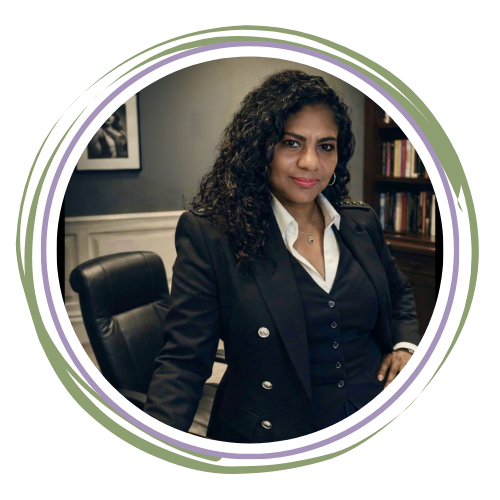
Author bio: Zoraya E. Lee-Hamlin is the Founder and CEO of RayZo, an MWBE and SBE certified fund development and marketing firm based in Northern NJ, serving nonprofits and small businesses across the NJ/NY metro area and nationally. Learn more at rayzo.com or reach us at 973-332-4381.